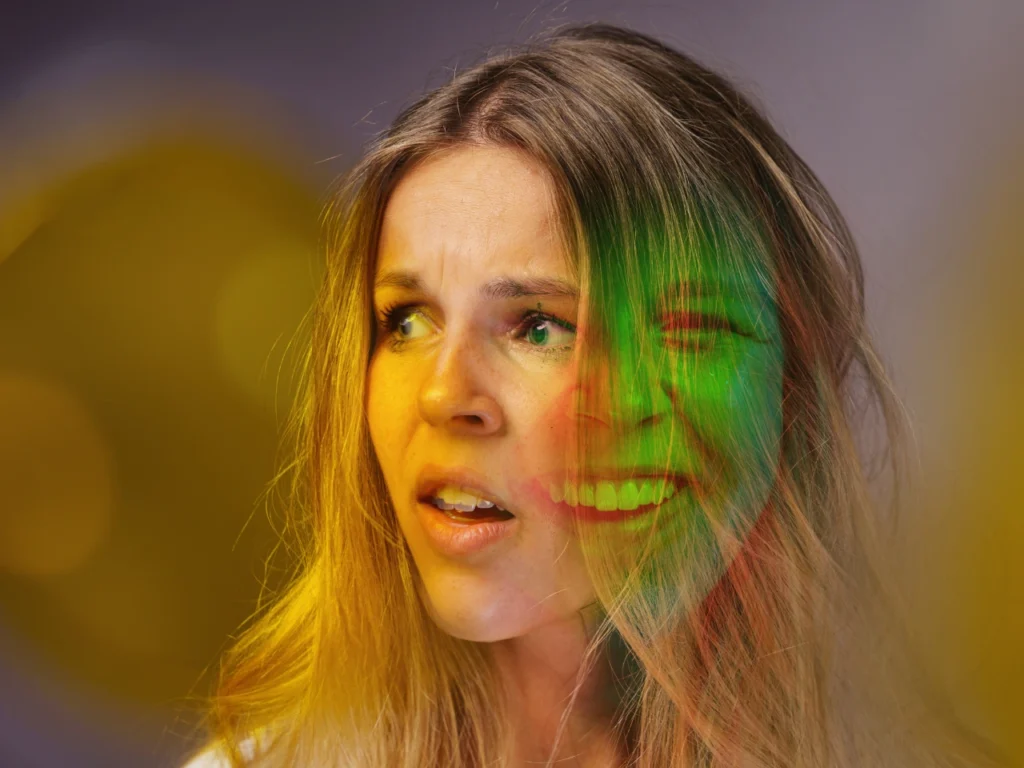
Living with bipolar disorder is not a straightforward journey. One week you might feel on top of the world — energised, motivated, unstoppable. The next, getting out of bed feels like climbing a mountain. If this sounds familiar, you’re not alone. A number of Australians live with bipolar disorder, and for many, it doesn’t just affect their mood, it touches every corner of daily life, from work and relationships to self-care and independence.
If bipolar disorder significantly impacts your ability to participate in daily life, you may be eligible for the National Disability Insurance Scheme (NDIS). The NDIS isn’t just for people with physical or intellectual disabilities, it also supports people with what’s called a psychosocial disability, which includes conditions like bipolar disorder.
At Centre Disability Support (CDS), we work closely with people navigating the NDIS for mental health conditions every day. This guide is designed to help you understand what psychosocial disability means, whether you might be eligible, and what kinds of support the NDIS can actually fund for people living with bipolar disorder.
What is a psychosocial disability?
A psychosocial disability refers to the functional limitations that arise from a mental health condition. It’s about the impact of the condition — not just the diagnosis. When a mental health condition like bipolar disorder persistently affects a person’s ability to carry out everyday activities, engage with their community, manage relationships, or hold down employment, it creates a disability in the practical sense of the word.
The term is used specifically within the NDIS framework to describe conditions like bipolar disorder, schizophrenia, depression, anxiety disorders, and PTSD. Importantly, it’s a recognition that these conditions create real-world barriers, even if those barriers are often invisible to others.
As the NDIS itself explains, mental health conditions often fluctuate and are in episodes, meaning the impact can shift over time. Someone might have periods where their bipolar disorder has less effect on daily life, and others where it’s overwhelming. The NDIS accounts for this, recognising that a condition can still represent a permanent disability even when its intensity fluctuates.
What you need to know on bipolar disorder as a psychosocial disability
Bipolar disorder is a mood disorder characterised by cycles of mania (or hypomania) and depression. There are several types — Bipolar I, Bipolar II, Cyclothymic Disorder, and others — each with distinct presentations. What they share is the potential to deeply disrupt a person’s life.
The highs of mania might look like boundless energy, reduced need for sleep, impulsive decisions, and racing thoughts. The lows of depression can make even the most basic tasks like cooking, showering, answering a phone call feel impossibly heavy. Over time, these cycles can affect a person’s ability to:
- Maintain stable employment or study
- Keep up with household tasks and personal care
- Sustain relationships with family and friends
- Manage finances and day-to-day responsibilities
- Engage with the broader community
These are exactly the kinds of functional impacts the NDIS is designed to address. But it’s worth being clear that a bipolar disorder diagnosis alone is not enough to qualify for the NDIS. The key is demonstrating that the condition creates a psychosocial disability — a permanent, significant impact on your daily functioning.
According to Ability Options, mood disorders such as bipolar disorder are among the conditions that can involve significant long-term psychosocial impact, making them potentially eligible for NDIS support when the right criteria are met.
Understanding the NDIS criteria
To access the NDIS for a psychosocial disability, you generally need to meet the following criteria:
- You have a severe and enduring mental health condition: Your diagnosis needs to come from a qualified professional, typically a psychiatrist or psychologist. A formal diagnosis of bipolar disorder is your starting point.
- Your condition results in significant functional impairment: This is the crux of eligibility. You need to show that bipolar disorder makes it substantially harder to carry out daily activities. This might include difficulty managing your personal care, struggling with social participation, challenges with employment or study, or needing support to carry out routine tasks.
- The impairment is likely to be permanent: This doesn’t mean your symptoms will always be severe. It means the condition, and its impact on your life, is likely to be with you across your lifetime. The NDIS acknowledges that psychosocial disabilities can fluctuate, and evidence of episodic impairment can still demonstrate permanence.
- You are under 65 years of age and an Australian citizen or permanent resident
What does the NDIS fund for people with bipolar disorder?
If you’re approved for the NDIS, your funding goes into a personalised plan built around your specific goals and needs. The NDIS is not a mental health treatment system, it doesn’t fund medication or clinical psychiatric care, which is covered by Medicare and the health system. Instead, it funds the supports that help you participate in daily life and work toward your personal goals, alongside your mental health management.
Medicare helps manage your symptoms; the NDIS helps you build a life around them.
Psychosocial disability supports
Psychosocial recovery coaching
This is one of the most valuable and distinctive supports available under the NDIS for people living with mental health conditions. A Psychosocial Recovery Coach (PRC) is a trained professional, often with lived experience of mental health, who works alongside you in a collaborative, strengths-based way.
Unlike a support worker (who might assist with practical daily tasks) or a support coordinator (who helps manage your NDIS plan), a recovery coach focuses on your personal recovery journey. They help you:
- Identify your goals and what matters most to you
- Understand your own patterns — what helps you stay well, and what are your warning signs
- Build practical tools and routines for navigating harder periods
- Connect with the right services inside and outside the NDIS
- Develop greater independence over time
Recovery coaching is funded from your Capacity Building budget. As of the 2025–26 pricing arrangements, recovery coaching costs are set at a regulated maximum, all Psychosocial Recovery Coaches must be registered with the NDIS Quality and Safeguards Commission, giving you greater quality assurance and protection.
Therapeutic supports (Improved daily living)
The NDIS funds what’s called functional therapy, a type of support from allied health professionals that builds your capacity to manage daily life. For people with bipolar disorder, this might include:
- Occupational Therapy (OT): Helping you develop strategies, structures, and home environments that support your wellbeing and independence
- Psychology (functional focus): Building skills in emotional regulation, social interaction, or managing the practical challenges of your condition
- Counselling: Supporting your mental health through structured, goal-oriented sessions
It’s worth noting that clinical psychology focused on treating your condition (as opposed to building functional capacity) is typically funded through Medicare’s Better Access initiative rather than the NDIS. Your NDIS planner or support coordinator can help you understand the distinction.
Support workers for daily living and community participation
For people whose bipolar disorder affects their ability to manage daily tasks or engage with the community, support workers funded through your Core budget can be genuinely life-changing. They can assist with:
- Personal care and household tasks during difficult periods
- Getting to appointments, community groups, or social activities
- Building and maintaining routines
- Staying connected with others during depressive episodes, when isolation can feel overwhelming
Social and community participation is especially important as isolation is a significant barrier to mental wellness, and having support to stay connected can make a real difference to both recovery and quality of life.
Support coordination
Navigating the NDIS can be complex, particularly when you’re managing a condition that affects your energy, focus, and motivation. Support Coordinators help you understand and implement your NDIS plan, connect with the right providers, and make sure your support is actually working for you.
For people with particularly complex needs, Specialist Support Coordination is available. It is a higher level of support provided by someone with expertise in complex situations.
Supported Independent Living (SIL)
For people with bipolar disorder who require more intensive or around-the-clock support, particularly during acute episodes or periods of instability, Supported Independent Living (SIL) may be an option. SIL provides funded support for people living in shared or individual accommodation, helping them manage daily life with the level of assistance they need.
The NDIS and bipolar disorder: What it doesn’t cover
It’s just as important to know what the NDIS won’t fund, so there are no surprises:
- Psychiatric medication — covered by your GP, psychiatrist, or the PBS
- Clinical mental health treatment (e.g., seeing a psychiatrist for symptom management) — covered under Medicare
- Hospital admissions or inpatient mental health care — managed by the health system
- Short-term or episodic support needs — the NDIS is designed for people with ongoing, long-term support needs
The NDIS works best alongside — not instead of — the mental health system. Your GP, psychiatrist, and treating team remain central to your care. The NDIS fills the gaps that clinical care can’t: the practical, daily supports that help you live well with your condition.
How to get started
If you think you or someone you care for might be eligible for NDIS support for bipolar disorder, here are your next steps:
- Talk to your GP or psychiatrist about your functional challenges and whether they think NDIS may be appropriate. Ask them to start gathering evidence about how your condition impacts daily life.
- Contact the NDIS on 1800 800 110 or visit ndis.gov.au to find your nearest Local Area Coordinator or NDIS office.
- Complete the Evidence of Psychosocial Disability form with your treating professional. Focus on real, practical examples of what you find difficult — not just your diagnosis.
- Reach out to a provider like CDS who can help you understand the process, explore your options, and build a plan that genuinely meets your needs.
Conclusion
Living with bipolar disorder takes real courage, the courage to keep showing up even when it’s hard, to seek help, and to work toward the life you want. The NDIS, when accessed well, can be a meaningful part of that journey: not a replacement for clinical care, but a practical foundation of supports that helps you manage day-to-day life, stay connected, and build toward your goals.
At Centre Disability Support, we specialise in supporting people with psychosocial disabilities — including bipolar disorder — to navigate the NDIS, understand their plans, and access high-quality, person-centred support. Whether you’re just starting to explore eligibility or you already have a plan and want to make the most of it, our team is here to help.
Get in touch with us today to find out how we can support you.