Updated on March 9, 2026

When you’re exploring living arrangements under the NDIS, one of the biggest decisions you’ll face is choosing the right support model. Should you go for round-the-clock care through Supported Independent Living (SIL), or would drop-in support better suit your needs and lifestyle? It’s a question that doesn’t have a straightforward answer, and that’s exactly what we’ll explore today.
The 24/7 care model
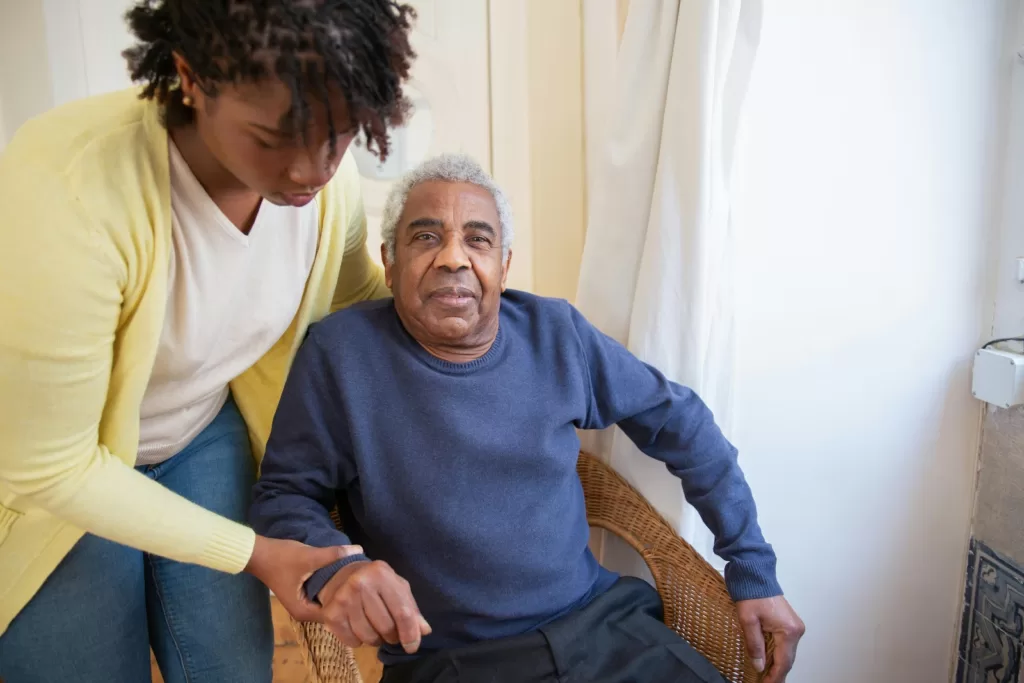
The 24/7 SIL model is a continuous support available around the clock, every day of the year.
This doesn’t necessarily mean you’ll have someone standing over your shoulder at all times. Rather, it means qualified support workers are always on-site and available when you need them, whether that’s at 3pm or 3am.
Who benefits from 24/7 SIL care?
People who:
- Require significant assistance with most daily living tasks
- Need help managing complex health conditions or medications
- Require support to manage behaviours or routines throughout the day and night
- Have high support needs that can’t be predicted or scheduled in advance
- Would benefit from the structure and consistency of continuous support
The beauty of 24/7 care is the peace of mind it provides. You know that whenever an issue arises, whether it’s a health concern, an emotional crisis, or simply needing help with something unexpected, there’s always someone there who can assist.
What does 24/7 SIL look like in practice?
Imagine waking up at 2 am feeling unwell. With 24/7 support, there’s a trained staff member available to check on you, provide assistance, and determine whether medical attention is needed. During the day, support workers help with showering, dressing, preparing meals, and managing medications according to your care roster. In the evening, they might assist with dinner preparation, evening routines, and ensuring you’re settled safely for the night.
The support is delivered according to a detailed schedule that outlines when and how support will be provided throughout each week. The schedule is developed collaboratively between you, your support coordinator, and your SIL provider to ensure it meets your individual needs.
Drop-in support
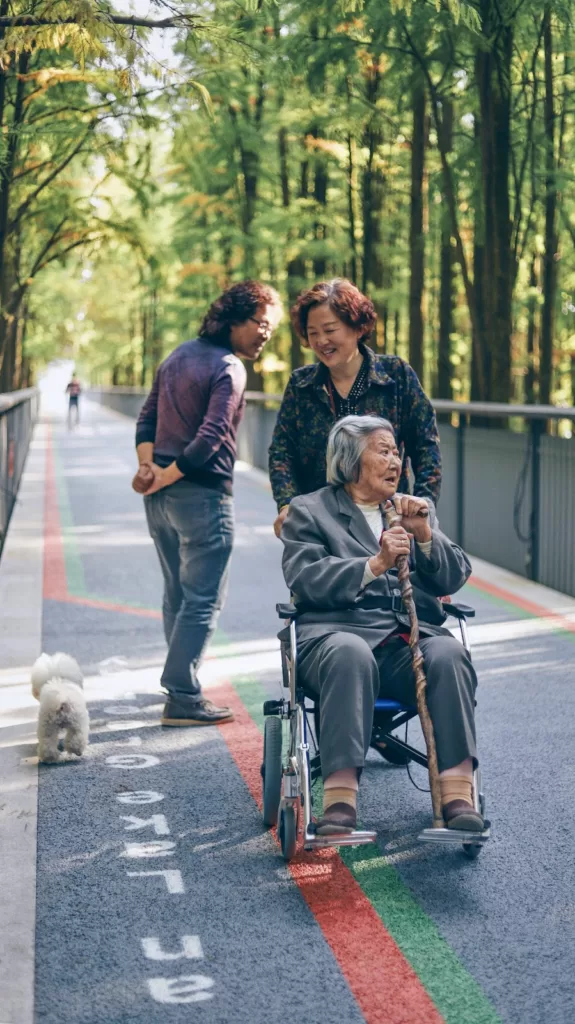
Drop-in support involves support workers visiting you in your own home to provide the specific assistance you need with daily tasks and living needs.
It is funded under the NDIS Core Support category.
The key difference here is flexibility and independence. Rather than having continuous support available, you receive scheduled visits from support workers at times you’ve agreed upon in advance. Between these visits, you’re managing independently.
Who thrives with drop-in support?
People who:
- Need assistance with specific tasks, but can manage independently between visits
- Have fairly predictable support needs that can be scheduled in advance
- Value privacy and independence in their living environment
- Are working towards building greater independence
- Don’t require overnight or emergency support
What does drop-in support look like day-to-day?
A typical day can involve a support worker arriving at your home at 9 am to help you with morning personal care, showering, and getting dressed. They might prepare breakfast with you and help you plan your day. They leave around 11 am, and you go about your day independently – perhaps attending community activities, meeting friends, or working. Then, another support worker arrives at 6 pm to help with dinner preparation, medication administration, and evening tasks before departing around 8 pm.
The frequency and timing of visits can be highly customised based on your needs. Some people might need daily drop-in support, while others might only require assistance a few times per week. The major advantage is that you don’t require NDIA approval for drop-in support in the same way as formal SIL, making it quicker to access.
Key differences to consider between 24/7 care and drop-in support
Level of support and supervision
The most obvious difference between these models is the intensity of support. With 24/7 SIL, you have continuous access to trained professionals who can respond immediately to any situation. Drop-in support provides targeted assistance at specific times, with gaps in between where you’re self-managing.
Independence and privacy
Drop-in support typically offers more privacy and independence. Your home is your own, and support workers only enter at scheduled times. With 24/7 SIL, particularly in shared arrangements, there’s always someone around, which can feel less private but also provides more opportunities for social connection and community.
Cost and funding
24/7 SIL support is generally more expensive due to the continuous nature of the care. It requires specific NDIS funding approval and must meet the reasonable and necessary criteria, including demonstrating that you need significant person-to-person support throughout the day. Drop-in support is funded under Core Supports and is typically easier to access without lengthy approval processes.
Flexibility and responsiveness
With 24/7 care, support is immediately available when unexpected situations arise. If you have a medical issue at midnight, someone is there to help. Drop-in support requires you to manage between scheduled visits. If something unexpected happens, you may need to wait until the next scheduled visit or arrange additional support.
Social opportunities
24/7 SIL, especially in shared living arrangements, naturally creates more opportunities for social connection with housemates and support staff. You’re part of a household community. Drop-in support, while maintaining your independence, can sometimes feel more isolated as you’re alone between visits.
How to choose the right model for you
Assess your current needs:
- Can you manage safely alone for extended periods, including overnight?
- Are your support needs predictable and schedulable, or do they arise unpredictably?
- Do you have strategies to manage in emergencies when alone?
Consider your goals:
- Are you working towards greater independence, making drop-in support a stepping stone?
- Would you benefit from the skill development opportunities provided by consistent 24/7 support?
- How important is privacy versus security to you?
Think about your lifestyle:
- Do you value having your own space without constant company?
- Would you enjoy the social aspects of shared living?
- How do you feel about managing household tasks independently versus having help readily available?
Practical considerations:
- What does your NDIS plan currently fund?
- Have you discussed your options with your support coordinator?
- What are the waitlists or availability like for each option in your area?
Can you transition between models?
Many people transition from 24/7 SIL to drop-in support as they build skills and confidence. Similarly, if your needs change or increase, you can move from drop-in support to more intensive SIL arrangements.
These transitions should be planned carefully with your support team, including your support coordinator, NDIS planner, and current providers. The goal is always to provide the right level of support that maximises your independence while ensuring your safety and wellbeing.
Conclusion
There’s no “better” option between 24/7 SIL care and drop-in support, only what works better for you at this point in your life. Some people thrive with the structure and security of continuous support, while others flourish with the independence that drop-in support allows.
At Centre Disability Support, we’re committed to helping you find the support model that empowers you to live your best life. Whether that’s 24/7 SIL care, drop-in support, or something in between, we’re here to provide the quality, person-centred support you deserve.