Updated on May 16, 2026

What are Group and Centre Activities?
Group and centre activities are organised programs bringing people together for learning, recreation, skill development, or social interaction. They are delivered through schools, community centres, disability support services, youth clubs, healthcare programs, and aged care organisations.
Unlike casual interaction, group and centre activities are structured to encourage participation, communication, and shared experiences. Guided facilitation and collaborative tasks create inclusive environments supporting diverse needs, backgrounds, and abilities.
Examples of group and centre activities include:
- Art and craft workshops
- Music and dance sessions
- Sports and fitness programs
- Cooking classes
- Reading and discussion groups
- Community outings
- Peer support groups
- Team-building activities
- Cultural events and celebrations
These programs, whether formal or informal, create opportunities for interaction and engagement.
For those lacking social confidence or facing isolation, structured activities offer a safe, supportive environment to build connections gradually.
Research shows that cooperative groups enhance communication, social engagement, and emotional development at any age. Importantly, inclusive group activities also encourage diversity and understanding. When individuals from different backgrounds participate together, they learn empathy, patience, cooperation, and respect for others’ perspectives.
Why Social Growth Matters
Social growth is the development of interpersonal skills, emotional understanding, communication, and relationship capacity. It affects interactions with family, peers, colleagues, and the broader community.
Strong social development helps people:
- Communicate effectively
- Build healthy relationships
- Resolve conflict respectfully
- Work collaboratively
- Develop empathy and emotional awareness.
- Feel connected and valued.
- Participate confidently in community life.
Without positive social interaction, individuals may experience loneliness, low self-esteem, anxiety, and reduced well-being.
Social connection is vital in healthcare and community support. Research, including a 2024 BMC Public Health study, links isolation to poor mental health, especially for marginalised groups. Social growth builds resilience, helping people manage stress and seek help.
From childhood to aged care, group and centre activities provide environments where social skills can be practised consistently and naturally.
How Group Activities Support Social Development
Social development occurs naturally in environments that encourage interaction, participation, and shared experiences.
Rather than learning social skills solely through theory, group activities let individuals practice communication, teamwork, emotional regulation, and relationship-building in real-world situations.
Group and centre activities support social growth by improving communication, fostering teamwork, reducing isolation, fostering a sense of belonging, and building emotional confidence.
Group activities offer practical opportunities for meaningful, constructive interaction. Through shared experiences, participants communicate, cooperate, listen, problem-solve, and build relationships. By:
Building Communication Skills
Communication is one of the most important aspects of social growth.
Group activities encourage individuals to:
- express their ideas,
- listen actively,
- ask questions,
- and engage in conversation.
These interactions help participants grow more comfortable speaking with others in different social settings.
Activities like drama, storytelling, and peer learning build communication skills through teamwork and discussion. Children gain language and emotional expression, while adults and people with disabilities develop interpersonal confidence to engage in broader social participation. These interactions help participants express themselves in any setting.
Research on cooperative learning environments has shown that group-based interaction improves both verbal communication and interpersonal understanding.
Encouraging Teamwork and Cooperation
Group settings teach teamwork, shared responsibility, compromise, and respect for different perspectives. Sports, problem-solving, and creative projects build patience and mutual support.
Mastering group dynamics prepares people for school, work, and relationships. Inclusive programs promote social acceptance by connecting people with diverse abilities and backgrounds.
Reducing Isolation and Strengthening Belonging
Group participation fosters belonging and builds support networks that boost emotional well-being and reduce loneliness. This connection is especially transformative for those facing social barriers—such as older adults, carers, or people with disabilities—as it ensures they feel seen and valued.
Improving Emotional Confidence
These settings boost emotional confidence. By trying new tasks and receiving positive feedback, individuals experience a sense of achievement. Creative outlets like music and drama are powerful, offering spaces to express emotions and build self-esteem.
Creative activities such as music, dance, painting, and drama foster emotional confidence. They let individuals express themselves without fear of judgment and build new connections.
Benefits Across Different Age Groups and Communities
Group and centre activities support people at all life stages.
Social needs change with age, but connection, belonging, and participation remain essential.
Group and centre activities support social growth for all ages. While specific benefits vary by individual, the impact is consistently positive.
Children
Children often learn social skills through shared play and interaction.
Group activities help them:
- learn cooperation,
- develop empathy,
- practice communication,
- and build friendships.
For children, social interaction is vital for emotional and behavioural development.
Play-based group activities teach children how to share, cooperate, communicate, and resolve conflicts. Through group play and collaborative learning, children begin to develop empathy, emotional regulation, and teamwork skills.
Activities such as storytelling, art sessions, sports, and music groups also help children build confidence and develop friendships.
Teenagers and Young Adults
Teenagers benefit from environments that allow them to safely explore identity, independence, and peer relationships.
Group programs help young people:
- strengthen confidence,
- improve communication,
- discover interests,
- and develop emotional resilience.
During adolescence, social experiences play a major role in identity development and emotional well-being.
Group activities provide teenagers with opportunities to develop independence, strengthen peer relationships, and explore personal interests in supportive environments.
Youth programs, sports teams, volunteering opportunities, and creative workshops can improve self-confidence, communication skills, and emotional resilience. Participation in positive social environments may also reduce the risk of social withdrawal and isolation among young people.
Adults
For adults, social participation can become more difficult due to work pressures, caregiving responsibilities, or isolation.
Group activities provide opportunities to:
- connect with others,
- reduce stress,
- improve wellbeing,
- and maintain community involvement.
For adults, group participation can improve mental well-being, reduce stress, and strengthen community involvement.
Community classes, professional development groups, fitness programs, and social clubs create opportunities for connection outside work and family responsibilities.
Adults who participate in group activities often report stronger social networks and improved work-life balance.
People with Disabilities
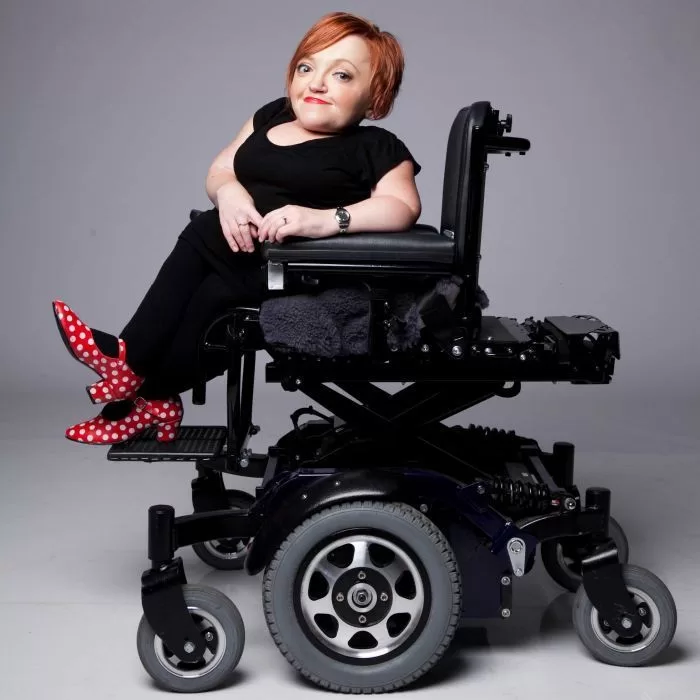
Inclusive programs are especially important for people living with disabilities.
These activities can:
- improve confidence,
- encourage independence,
- strengthen communication skills,
- and increase community participation.
These group and centre activities offer valuable opportunities for people living with disabilities.
These programs provide opportunities for social interaction, independence, skill development, and community participation. Supportive environments also help individuals build friendships and increase confidence.
Disability-focused centre programs often include tailored activities that encourage communication, teamwork, and emotional growth while respecting individual support needs.
Inclusive participation also promotes broader community awareness and acceptance by creating opportunities for people of all abilities to engage together.
Older Adults
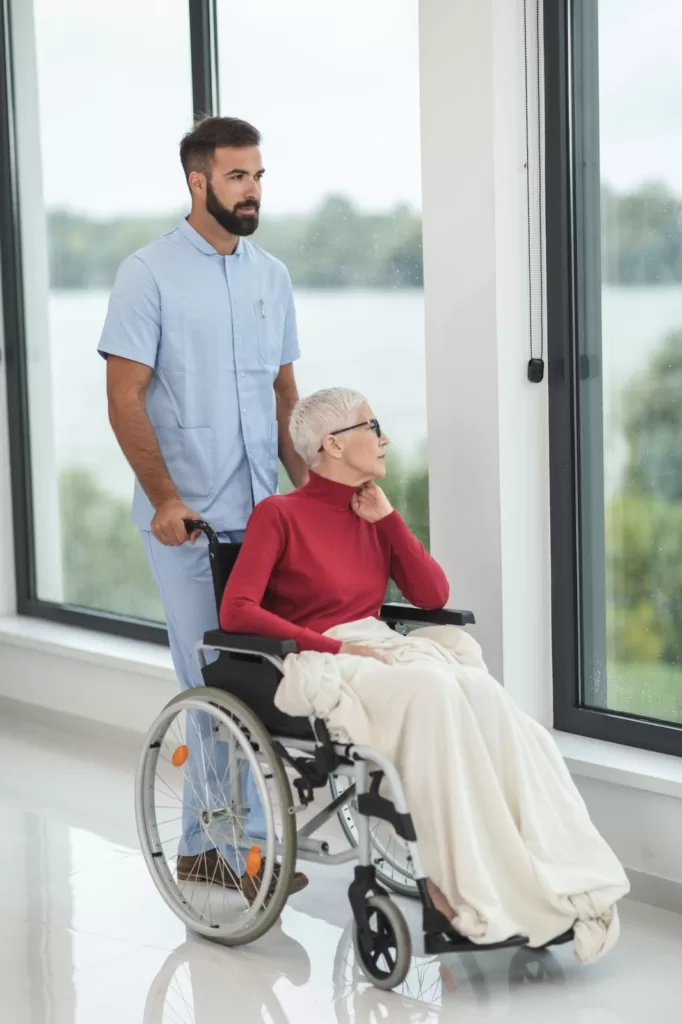
Older adults often face increased risks of loneliness and social isolation.
Regular participation in centre-based activities can:
- improve emotional well-being,
- encourage mental stimulation,
- maintain social connection,
- and support healthy ageing.
Among older adults, social participation can improve emotional well-being and reduce loneliness.
Activities such as walking groups, hobby clubs, exercise classes, and community outings help older individuals remain socially active and mentally engaged.
Research continues to show that social connection is associated with healthier ageing outcomes and improved quality of life.
Examples of Effective Group and Centre Activities
Not every activity works for every individual. The most effective programs are flexible, inclusive, and designed around participants’ interests, abilities, and comfort levels.
Below are some examples of group and centre activities that commonly support social growth.
Creative Activities
Creative programs encourage self-expression and emotional connection.
Examples include:
- Art and painting classes
- Music sessions
- Dance workshops
- Drama and theatre activities
- Craft groups
These activities often help participants express emotions, build confidence, and connect with others through shared creativity.
Physical Activities
Physical group activities support both social and physical well-being.
Examples include:
- Team sports
- Walking groups
- Yoga classes
- Group fitness sessions
- Recreational games
These activities encourage teamwork, communication, and motivation while promoting healthier lifestyles.
Educational and Skill-Based Activities
Learning-focused programs support social growth by encouraging collaboration and discussion.
Examples include:
- Cooking classes
- Technology workshops
- Language learning groups
- Book clubs
- Community education sessions
Participants often gain confidence by learning new skills in supportive social environments.
Community Participation Activities
Community outings and volunteering programs encourage individuals to engage with the wider community.
These experiences strengthen social awareness, independence, and civic participation while helping participants feel connected to society.
Group Activities at Centre Disability Support
Centre Disability Support empowers individuals through group activities that foster social connection, boost confidence, and build independence within a safe and welcoming community.
Programs may include:
- Recreational activities
- Fitness sessions
- Arts and Crafts
- Cooking activities
- Community hangouts
- Life skills programs
- Shopping trips
These activities allow participants to build friendships, improve communication skills, and enjoy meaningful social experiences while developing everyday skills.
The Role of Facilitators and Support Workers
Even well-designed activities depend heavily on the people leading them. Facilitators, educators, and support workers help create environments where participants feel safe, included, and encouraged to engage. The success of group activities relies on skilled facilitation.
Leaders, including educators and support workers, ensure environments are safe, inclusive, and adapted to diverse needs. By managing dynamics and encouraging gradual engagement, effective facilitators make social participation accessible, especially for those with anxiety, ultimately driving better emotional and social outcomes.
How NDIS Funds Group and Centre-Based Activities
The National Disability Insurance Scheme (NDIS) may fund group and centre-based activities that help participants achieve goals, improve independence, and boost community participation.
These supports are commonly funded under:
- Core Supports,
- or Social and Community Participation supports.
The NDIS social and community participation supports may help participants build social skills and strengthen independence. These outcomes can be achieved through a variety of group activities. These may include organiSed art classes, group sports sessions, guided outings to community locations, shared music or dance workshops, and collaborative personal development activities.
The NDIS reasonable and necessary supports guidelines state that funded supports must relate to disability needs and help improve participation, independence, and quality of life.
Challenges and How to Overcome Them
Although group activities offer many benefits, participation is not always easy for everyone.
Some individuals may feel nervous, overwhelmed, or uncertain in social settings, especially if they have experienced isolation or communication barriers in the past.
Common challenges include:
- Social anxiety
- Fear of judgment
- Accessibility barriers
- Communication difficulties
- Sensory sensitivities
- Transportation issues
- Lack of confidence
Creating inclusive and flexible programs is essential to overcoming these challenges.
Supportive strategies may include:
- Offering smaller group sizes
- Providing quiet spaces
- Using clear communication methods
- Encouraging gradual participation
- Training staff in inclusive practices
- Adapting activities for different abilities
When individuals feel safe and supported, they are more likely to participate consistently and benefit socially.
FAQs
Does the NDIS cover group and centre-based activities?
Yes. The NDIS may fund group and centre-based activities if they relate to a participant’s goals and are considered reasonable and necessary supports.
How do I know if group activities are included in my NDIS plan?
Participants can speak with their support coordinator, local area coordinator, or NDIS provider to understand what supports are included in their plan and whether group activities may be funded.
What types of group activities are commonly available?
Common activities include:
- art and music programs,
- cooking classes,
- fitness sessions,
- community outings,
- games,
- life skills workshops,
- and recreational activities.
Programs may vary depending on the provider, participants’ support needs, and region.
Conclusion
Group and centre activities are more than just a way to stay busy; they are essential engines for social growth and community health. By providing safe, inclusive environments for connection and collaboration, these programs build lasting confidence, resilience, and a sense of belonging across all life stages.
As the importance of mental health and social connection grows, these activities remain vital. When people have the opportunity to share experiences and connect, social growth becomes a natural, lifelong outcome that strengthens the entire fabric of society.