Updated on December 10, 2025
Melbourne is a vibrant, welcoming city that’s committed to making its attractions accessible for everyone. Whether you’re planning a weekend getaway or a short family holiday, Melbourne offers an impressive array of museums, parks, and family venues designed with accessibility in mind. From world-class galleries to beautiful gardens and interactive experiences, there’s something to delight every family member, regardless of their mobility or sensory needs.
Top 9 accessible attractions in Melbourne for a short family stay
Melbourne museum
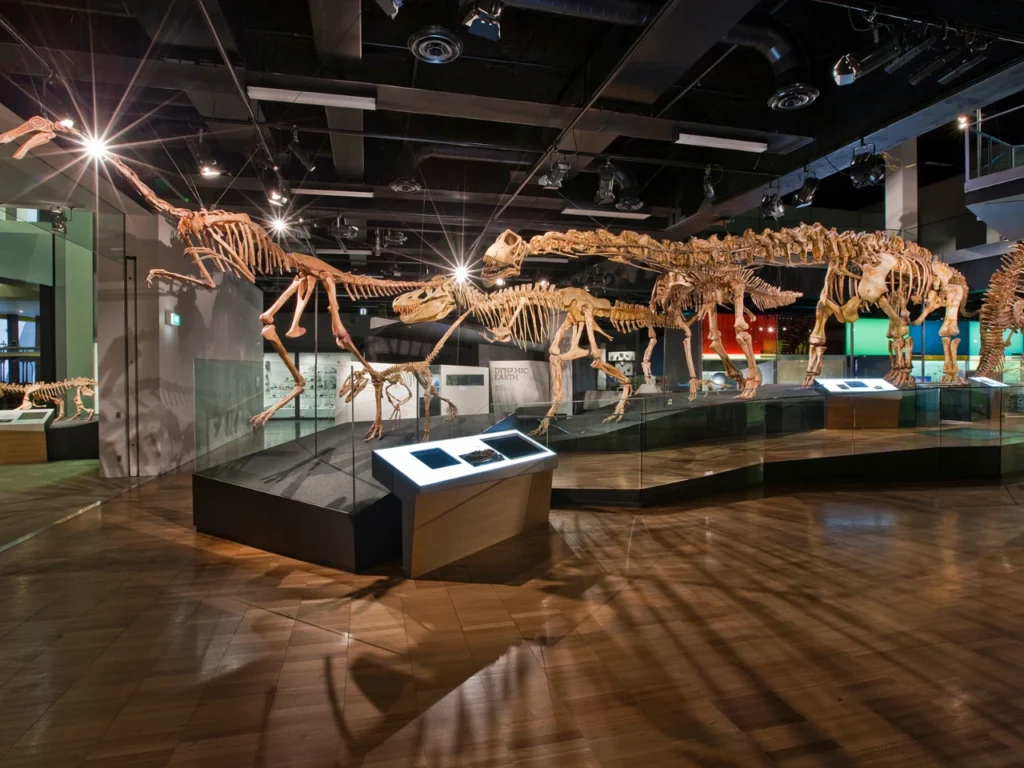
The Melbourne Museum stands as one of the Southern Hemisphere’s premier cultural institutions, and it’s wonderfully accessible for families. Located in Carlton Gardens, this natural and cultural history museum features fully accessible pathways, ramps, and elevators to all levels, making navigation easy for wheelchair users and families with strollers.
The star attraction for families is the Pauline Gandel Children’s Gallery, specifically designed for children aged 0-5. This vibrant space includes interactive touchscreens, a train tunnel, climbing structures, outdoor water play, sandpits, and fossil-digging areas. The museum provides numerous clean restrooms throughout the building, including dedicated baby change facilities and accessible toilets on every level.
What makes Melbourne Museum particularly family-friendly is its commitment to sensory accessibility. The museum offers quieter periods during weekday school terms, and general admission is free for children 16 and under.
National Gallery of Victoria (NGV)
The National Gallery of Victoria operates across two magnificent buildings, NGV International and NGV Australia at Fed Square, both designed with accessibility at their core. The large, level gallery spaces are easy to navigate, with lift access to all floors, ramps throughout, and wayfinding signage that includes braille and raised letters.
Free wheelchairs and a mobility scooter are available for hire, though booking ahead is recommended. Accessible toilets are located on three levels at NGV International, and the Grollo Equiset Garden on the ground level offers a peaceful, accessible outdoor space. Companion Card holders receive the concession rate plus a complimentary ticket for their carer, making it an affordable family outing.
For families with children who have sensory sensitivities, NGV offers various resources and experiences designed with these needs in mind. The gallery regularly hosts family-friendly exhibitions and workshops, and admission to the permanent collection is free, making it easy to visit multiple times during your stay.
Scienceworks
Located in Spotswood, Scienceworks is a hands-on science and technology museum that captivates children and adults alike. The facility features interactive exhibits that encourage exploration and learning through play. The highlight for many families is the Lightning Room Show, which showcases a giant Tesla Coil generating three-metre lightning bolts.
The Melbourne Planetarium, located on the same site, offers astronomy shows that transport visitors through space without the need to stay up all night. The venue is wheelchair accessible, with designated spaces for mobility aids and accessible facilities throughout. The interactive nature of the exhibits means children of all abilities can engage meaningfully with the content.
Australian Sports Museum at the MCG
Sports-loving families will find paradise at the Australian Sports Museum, located within the iconic Melbourne Cricket Ground. This museum celebrates Australian sporting heritage across more than 95 sports, from football and cricket to horse racing and surfing.
The Game On Gallery is a crowd favourite, featuring interactive installations where visitors can try their hand at various sports, including rock climbing, surfing simulations, and cycling. The museum provides accessible toilets and was one of the first Victorian venues to install a Changing Places facility, a fully equipped bathroom with a tracking hoist, a full-sized change table, and extra space designed for people with complex care needs.
A sensory map is available, showing quiet and busy spaces throughout the museum, which is particularly helpful for families planning around children with autism or sensory sensitivities. Seating is provided throughout the exhibition areas, allowing for comfortable breaks during your exploration.
Royal Botanic Gardens Melbourne
The Royal Botanic Gardens Melbourne is an oasis of tranquillity in the heart of the city, established more than 170 years ago. The gardens are home to 3,500 species of plants and offer an accessible haven for families seeking a peaceful outdoor experience.
The pathway system throughout the gardens is wheelchair and stroller-friendly, with most main paths being level and easy to navigate. The Ian Potter Foundation Children’s Garden is specifically designed for young visitors, featuring water play areas, sensory gardens, and interactive elements that teach children about nature and conservation. It’s an ideal spot for children to engage with the natural environment in a hands-on way.
The gardens offer free guided Aboriginal heritage walks (booking required), where First Nations guides share stories about the land and its significance to the local Kulin Nation. Public toilets, including accessible facilities, are available, and there are numerous picnic areas and benches throughout. The gardens are typically quietest on weekday mornings during school terms.
Fitzroy Gardens
Fitzroy Gardens is a heritage-listed 26-hectare park that offers a perfect blend of natural beauty and historical intrigue. The gardens are easily accessible via tram and feature wide, paved pathways suitable for wheelchairs and strollers.
Key attractions include the Spanish mission-style Conservatory, which hosts spectacular floral displays five times a year, and Captain Cook’s Cottage, the original family home of Captain Cook, which was relocated from Yorkshire and reassembled in the gardens. There’s also a well-maintained playground that children love, along with grassy areas perfect for picnics and playing.
The gardens provide accessible toilet facilities and have multiple seating areas throughout, allowing families to rest and enjoy the surroundings at their own pace. During autumn, the falling leaves create a magical atmosphere that’s perfect for photos and outdoor play.
Birrarung Marr
Situated along the northern bank of the Yarra River between Federation Square and Melbourne Park, Birrarung Marr is a modern riverside park that celebrates Indigenous culture and contemporary design.
The park features extensive pedestrian and bicycle paths that are fully accessible, with level surfaces throughout. The Federation Bells, which chime three times daily, offer a unique auditory experience, and Deborah Halpern’s Angel sculpture by the river’s edge is a beloved photo spot. The park showcases Indigenous artworks, including the Birrarung Wilam installation that explores Victoria’s diverse Indigenous culture.
Birrarung Marr playground is situated in the heart of the action, making it an exciting place for children to play while families enjoy views of the city skyline. The park has accessible facilities and is easily reached via public transport, with accessible tram stops nearby.
Melbourne Zoo
Melbourne Zoo, located in Parkville, is one of Australia’s oldest and most beloved zoos, offering an educational and entertaining day out for families. The zoo is strongly committed to accessibility, with an easy-to-follow pathway system that accommodates wheelchairs and strollers throughout most of the facility.
Free wheelchair hire is available (booking recommended), and the zoo offers six accessible parking bays near the main entrance and seven near the rail gate entrance. The facility includes several accessible toilets, including a Changing Places facility equipped with a tracking hoist and full-sized change table. Assistance animals are welcome, though some areas have restrictions due to quarantine or safety concerns for zoo animals.
Carers accompanying a person with a disability who holds a Child Disability Allowance Health Care Card, Disability Pension Card, or Companion Card receive free entry. The zoo is easily accessible via tram, with services departing from the city centre every six minutes to a stop right at the entrance.
SEA LIFE Melbourne Aquarium
SEA LIFE Melbourne Aquarium offers an underwater adventure that’s accessible for all family members. Walking through the glass viewing tunnels, visitors can observe sharks, stingrays, turtles, and other marine life swimming overhead and around them. The Antarctica exhibit lets you meet penguins, while the saltwater crocodile enclosure showcases one of Australia’s most impressive predators.
The aquarium is located in central Melbourne and is wheelchair accessible throughout, with level pathways and ramps. Staff members are trained to assist visitors with accessibility needs, and accessible toilets are available. The immersive nature of the experience, with its dim lighting and underwater atmosphere, can be calming for some children, though families should be prepared for the potential sensory impact of crowds during busy periods.
Navigating Melbourne’s public transport with accessibility in mind
Trains
All metropolitan trains in Victoria are wheelchair accessible, with designated spaces for mobility aids. Every station in the city loop features lifts to all platforms, making them accessible for people with limited mobility. Each platform has wheelchair symbols marking the best boarding points.
You can check station facilities, including accessible toilets and lifts, using the Public Transport Victoria (PTV) website. The PTV app also provides real-time information about train services and disruptions, which can be particularly helpful when traveling with children who need predictability.
Trams
Melbourne’s iconic tram network is working toward greater accessibility, though not all trams or stops are currently accessible. The city has been progressively rolling out low-floor trams and level-access stops. Certain routes, including 11, 19, 96, and 109, usually operate low-floor trams, while routes 5, 6, 16, 48, 58, 72, and 86 have some low-floor services.
Low-floor trams have designated spaces for wheelchairs and mobility aids, marked with wheelchair symbols on the floor and doors. Yarra Trams’ accessibility information provides detailed guidance, and you can access support from Customer Service Employees at major city stops who can help you catch the right tram.
Buses
Most local buses in Melbourne are low-floor and accessible for people with disabilities. The driver can lower the bus to get closer to the kerb, and ramps are available to help passengers board. Allocated spaces for wheelchairs and mobility aids are clearly marked on the floor with wheelchair symbols.
To confirm whether buses at your specific stop are accessible, you can call PTV on 1800 800 007 or check the bus operator’s website. The PTV Journey Planner allows you to filter for accessible services and stops only, making trip planning much easier.
Using the PTV Journey Planner
The PTV Journey Planner is an important tool for families needing accessible transport. When planning your journey, simply select “accessible services” and “accessible stops only” in the journey settings. This filter ensures your route uses only wheelchair-accessible trams, trains, and buses, with boarding points at accessible stops. The PTV app provides real-time updates and can notify you when you’re approaching your stop, which is particularly helpful when traveling with children.
Companion cards and concessions
Families traveling with a carer who assists someone with disability can benefit from the Companion Card program. Cardholders receive a complimentary ticket for their companion on public transport and at many attractions. Additionally, people with permanent physical disabilities may be eligible for an Access Travel Pass or other specialized travel passes through PTV.
Conclusion
Melbourne continues to invest in making its attractions, parks, and public transport more accessible for everyone. The city’s cultural institutions are increasingly embracing universal design principles, recognizing that accessibility benefits everyone, families with young children, older visitors, people with temporary injuries, and anyone who values inclusive spaces. This commitment to accessibility means that a short family stay in Melbourne can be filled with enriching experiences where every family member feels welcome and included.